
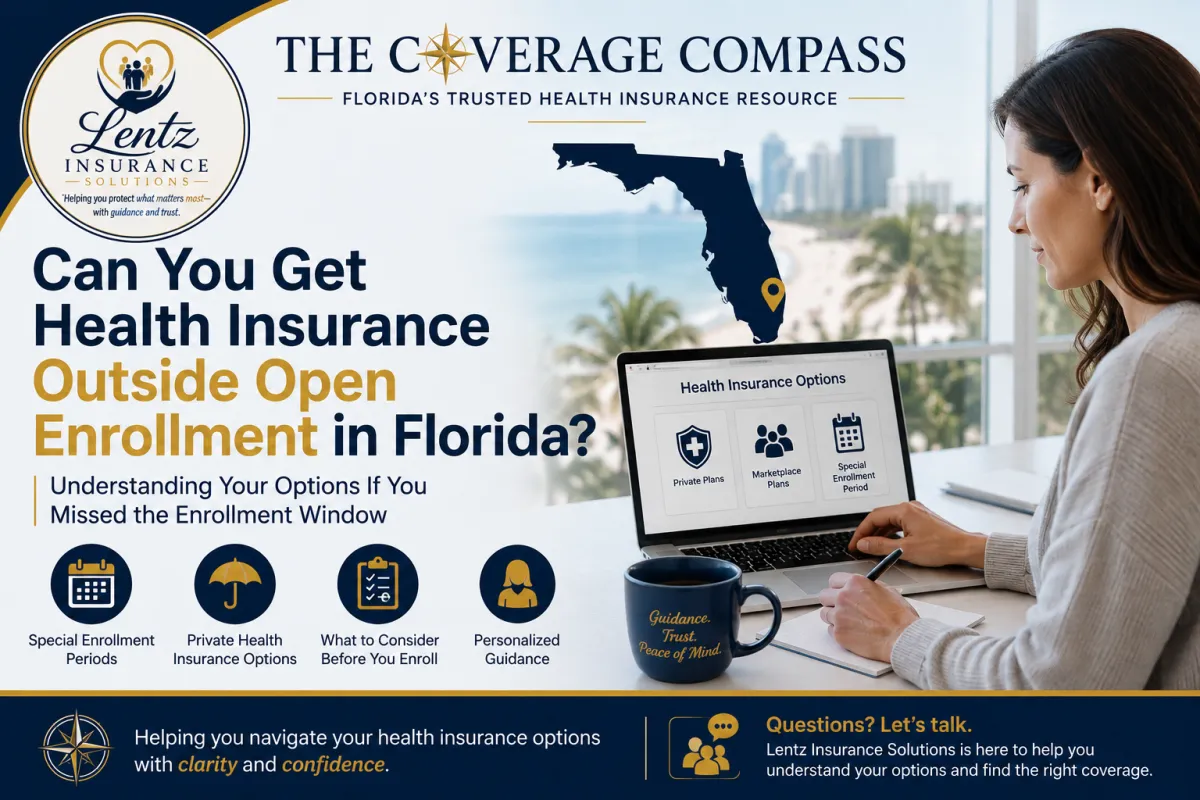
Can You Get Health Insurance Outside Open Enrollment in Florida?
The Coverage Compass
Can You Get Health Insurance Outside Open Enrollment in Florida?
Published by Lentz Insurance Solutions | Florida's Trusted Health Insurance Resource
If you've missed Open Enrollment and suddenly realize you need health insurance, you may be wondering:
"Am I stuck waiting until the next enrollment period?"
Not necessarily.
The answer depends on what type of health insurance you're looking for, why you need coverage, and whether you qualify for a Special Enrollment Period or another type of coverage.
For Florida residents, understanding the difference between Marketplace enrollment rules and private health insurance options can help you avoid assuming that you have no choices.
If you're still comparing private health insurance with ACA Marketplace coverage, our guide to Private Health Insurance vs. ACA Marketplace Plans explains the key differences.
Let's take a closer look.
What Is Open Enrollment?
For ACA Marketplace coverage, Open Enrollment is the annual period when eligible individuals can enroll in or change Marketplace health plans without needing a qualifying life event.
For the current Marketplace schedule, Open Enrollment runs from November 1 through January 15.
If you enroll by December 15, coverage generally begins January 1. If you enroll between December 16 and January 15, coverage generally begins February 1.
But what happens if you need coverage in February, March, July, or another month outside that window?
That's where understanding your options becomes important.
Can You Get Marketplace Health Insurance Outside Open Enrollment?
Sometimes.
Outside Marketplace Open Enrollment, you generally need to qualify for a Special Enrollment Period (SEP) to enroll in or change an ACA Marketplace plan.
A Special Enrollment Period may be triggered by certain qualifying life events.
Common examples include:
Losing employer-sponsored health insurance
Losing other qualifying health coverage
Getting married
Having a baby
Adopting a child
Moving to a new area that qualifies
Losing eligibility for certain types of coverage
Certain changes in household circumstances
The specific rules and deadlines depend on the event. In many situations, the Marketplace provides a limited window—often 60 days before or after the qualifying event—to enroll.
Important: You may be asked to provide documentation proving that you qualify for the Special Enrollment Period.
What If You Missed Open Enrollment and Don't Have a Qualifying Life Event?
This is where many people assume they have no options.
Depending on your circumstances, some private health insurance plans may be available outside the ACA Marketplace Open Enrollment period.
However, this is an area where it's important to understand exactly what you're purchasing.
HealthCare.gov confirms that some private plans are sold outside Open Enrollment through insurance companies, agents, brokers, and other sellers. However, these plans can have different rules and may not provide the same benefits or protections as ACA Marketplace coverage.
Not every private health insurance plan is available year-round, and eligibility varies by carrier and plan.
That's why comparing the actual plan—not simply the monthly premium—is so important.
How Private Health Insurance Can Be Different
Some private health insurance options may be available outside the Marketplace enrollment period, depending on the plan and your eligibility.
Certain privately offered plans may use medical underwriting, which means your health history can be considered when determining eligibility or coverage.
This is one of the major differences between many medically underwritten private plans and ACA Marketplace plans.
ACA Marketplace plans generally cannot deny you coverage or charge you more because of a pre-existing condition.
That means private health insurance isn't automatically the right answer for everyone.
For someone with significant ongoing medical needs or pre-existing conditions, an ACA Marketplace plan may be a more appropriate option.
For a healthy individual or family who doesn't qualify for a Special Enrollment Period, however, exploring available private options may be worthwhile.
What About Short-Term Health Insurance?
You may also hear about short-term health insurance when searching for coverage outside Open Enrollment.
Short-term plans are different from ACA Marketplace plans and can have different rules regarding eligibility, benefits, exclusions, and duration.
They should not automatically be treated as equivalent to comprehensive ACA coverage.
If you're considering a short-term plan, carefully review what it covers, what it excludes, how long coverage lasts, and what happens when the plan ends.
The goal shouldn't simply be to find something that gives you an insurance card.
The goal is to understand what protection you're actually receiving.
Can I Buy Health Insurance Outside the Marketplace?
Yes, in some circumstances.
HealthCare.gov explains that private health plans can be purchased outside the Marketplace, including through insurance companies, agents, brokers, and online sellers. However, plans purchased outside the Marketplace do not qualify for Marketplace premium tax credits or income-based savings.
That's an important distinction.
If you qualify for a Marketplace subsidy, purchasing a private plan outside the Marketplace means you won't receive that Marketplace financial assistance.
On the other hand, if you don't qualify for a subsidy—or you're looking for coverage that fits your situation differently—comparing private options may make sense.
Who Might Want to Explore Private Health Insurance?
Private health insurance may be worth exploring for people such as:
Self-employed professionals
Independent contractors and 1099 workers
Realtors
Small business owners
Individuals between jobs
Early retirees
Individuals who missed Marketplace Open Enrollment
Healthy individuals looking for alternative coverage options
Again, eligibility and availability vary by plan and carrier.
The important point is that missing Marketplace Open Enrollment doesn't necessarily mean you should stop looking at your options.
What If I Recently Lost My Employer Health Insurance?
If you recently lost employer-sponsored health insurance, don't assume you have to wait.
Losing qualifying employer coverage can trigger a Special Enrollment Period for Marketplace coverage. HealthCare.gov generally provides a 60-day window around the loss of qualifying coverage, although the exact rules depend on the circumstances.
You may also have other options, such as COBRA or private coverage, depending on your situation.
This is a good example of why it's worth reviewing multiple options before making a decision.
What Should You Do If You Missed Open Enrollment?
If you find yourself without coverage, don't panic.
Step 1: Determine why you need coverage.
Did you:
Lose employer coverage?
Get married?
Move?
Retire?
Become self-employed?
Simply miss Open Enrollment?
The answer can affect your options.
Step 2: Determine whether you qualify for a Special Enrollment Period.
If you have a qualifying life event, you may be able to enroll in an ACA Marketplace plan outside Open Enrollment.
Step 3: Explore other available coverage.
Depending on your circumstances, private health insurance or other coverage options may be available.
Step 4: Compare more than the monthly premium.
Look at:
Deductible
Out-of-pocket maximum
Provider network
Prescription coverage
Hospital coverage
Coinsurance
Exclusions and limitations
Eligibility requirements
Coverage duration
Step 5: Understand what you're buying.
A lower premium doesn't necessarily mean better coverage.
Make sure you understand how the plan works before you enroll.
A Word of Caution About "Cheap" Health Insurance
When you're searching online for health insurance outside Open Enrollment, you'll probably see advertisements promising extremely low monthly premiums.
Be careful.
The most important question isn't:
"How much is the monthly premium?"
It's:
"What does this plan actually cover?"
Two plans with dramatically different premiums may also have dramatically different benefits, networks, exclusions, and cost-sharing.
That's why comparing coverage carefully is so important.
Is Private Health Insurance Right for You?
There isn't one health insurance plan that's right for everyone.
An ACA Marketplace plan may be the best fit for one person.
A private health insurance option may make more sense for another.
Someone else may need COBRA, Medicare, Medicaid, employer coverage, or another solution.
The right choice depends on your health, income, household situation, budget, provider preferences, and eligibility.
That's why I believe the first step should always be education.
Understand your options before making a decision.
Frequently Asked Questions
Can I get health insurance in Florida after Open Enrollment?
Possibly. If you qualify for a Special Enrollment Period, you may be able to enroll in an ACA Marketplace plan. Depending on your circumstances, some private health insurance options may also be available outside Marketplace Open Enrollment.
What qualifies me for a Special Enrollment Period?
Common qualifying events include losing health coverage, getting married, having a baby, adopting a child, or moving in a way that qualifies under Marketplace rules. There are also other qualifying circumstances.
Can I buy private health insurance year-round?
Some private health plans may accept applications outside Open Enrollment, but not all private plans are available year-round. Eligibility and enrollment rules vary by carrier and plan.
Is private health insurance the same as ACA Marketplace insurance?
No. Private health insurance can refer to coverage purchased outside the Marketplace, and the plan's rules, benefits, eligibility requirements, and protections can differ. Marketplace plans are ACA-compliant and may qualify for income-based financial assistance.
Can I get a subsidy on a private health insurance plan?
Generally, no. Premium tax credits and other Marketplace savings are available through the Marketplace, and plans purchased outside the Marketplace don't receive those income-based savings.
What if I have a pre-existing condition?
ACA Marketplace plans generally must accept eligible applicants regardless of pre-existing conditions. Some private plans use medical underwriting, so eligibility and coverage can differ. It's important to understand the specific plan requirements before applying.
What if I just forgot to enroll during Open Enrollment?
If you don't have a qualifying life event, you generally can't enroll in an ACA Marketplace plan until the next Open Enrollment period. However, depending on your circumstances, other coverage options may be available.
The Bottom Line
Missing Open Enrollment doesn't necessarily mean you have to stop looking for coverage.
You may qualify for a Special Enrollment Period. You may have access to private health insurance or another coverage option. Or, depending on your circumstances, waiting for the next Marketplace enrollment period may be the appropriate choice.
The important thing is to understand your options before making a decision.
At Lentz Insurance Solutions, my goal isn't to tell everyone they need the same type of health insurance. It's to help you understand the choices available to you so you can make an informed decision based on your individual situation.
Need Help Exploring Your Options?
Every situation is different.
Whether you've missed Open Enrollment, recently lost employer coverage, become self-employed, retired early, or simply want to understand your options, I'm happy to help you compare available coverage.
Let's talk through your options with confidence.
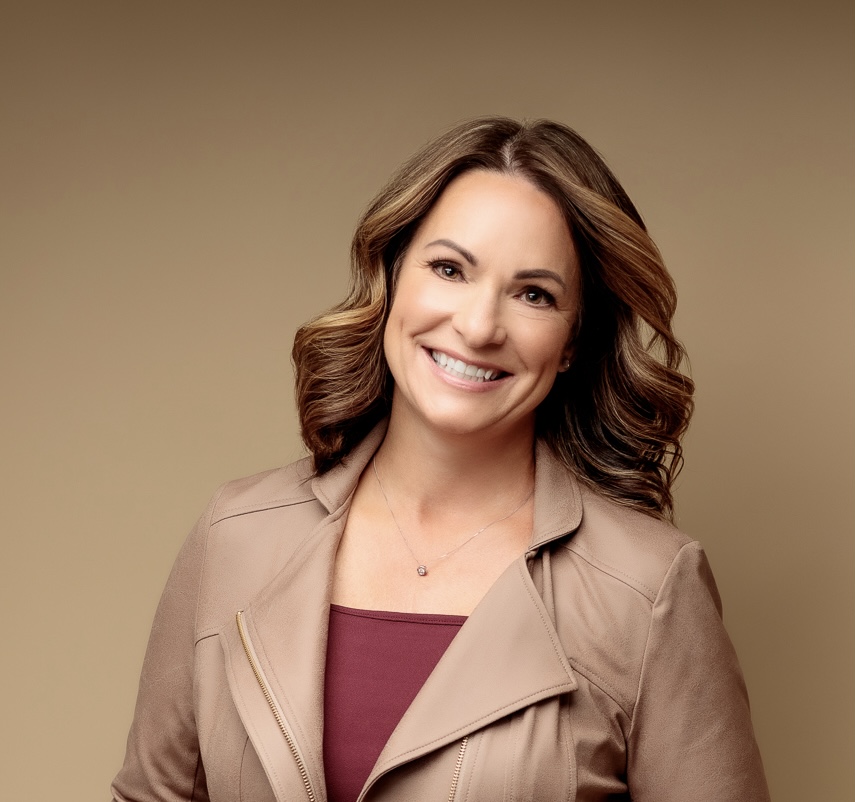
Becky Lentz
Independent Health Insurance Broker
Lentz Insurance Solutions
Helping you protect what matters most—with guidance and trust.
Becky Lentz
Compare Health Insurance Plans

Not sure which health plan is right for you? As an independent health insurance broker with 25+ years of experience, I'll help you compare plans from top carriers and find coverage that fits your needs, budget and preferred doctors—all at no cost to you.
You'll work directly with me—not a call center—and I'll help you make an informed decision with no pressure or obligation.
About Us
Helping You To
Manage Your Health Insurance Needs!
With 25+ years of experience, I help individuals, families, self-employed professionals and small businesses compare health insurance options with honest, personalized guidance. As an independent broker, I work for you—not the insurance company.
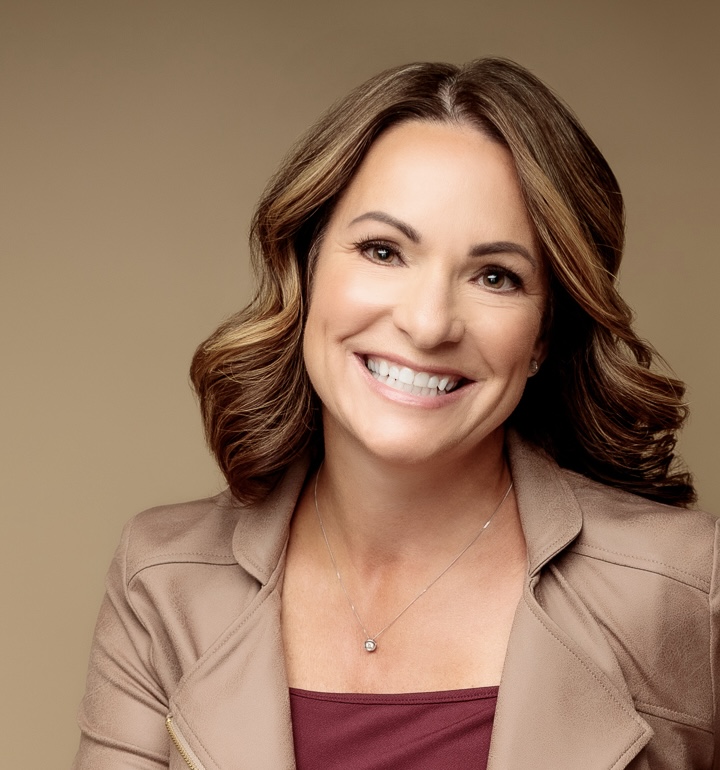
Becky Lentz
Licensed Independent Health Insurance Broker
8235758
Everything You Need To Know About Health Insurance At A Glance
What Is Health Insurance?
Health insurance is designed to make medical care more affordable and accessible, helping individuals and families manage healthcare costs and get the coverage they need. Today’s plans offer a range of options to suit different budgets, health needs, and lifestyles.
Important Details
Unlike government marketplace plans with strict deadlines, health insurance plans are available year-round. You can compare options and enroll at any time, making it easy to get coverage when you need it most.
Reviews
Real-Life Testimonials
From Satisfied Clients
Judy K.
Becky is wonderful to work with!! She has helped me for many years providing me the best insurance policies and rates!! I highly recommend Becky!
Gina E.
Becky is THE BEST!!! I found myself in a situation where my insurance simply wasn't covering my needs. She did the research and found me several alternatives that provided everything I needed and more! I can recommend her without reservation!
Shelby R.
Having been on the commercial side of health care for almost 30 years, I knew when I would find the right agent to assist me, for the first time in my life, with individual health care coverage. With Becky, I did just that. She is knowledgeable, answered all of our questions, offered great guidance and advice. If you are thrown into the world of individual health care coverage, it is daunting! Becky can walk you through every step with ease!

More Info
Important Questions
What Should I Budget for Health Insurance?
The cost of health insurance varies based on your age, location, family size, and the type of plan you choose. You’ll want to think about the monthly premium you’ll pay to keep your coverage, the deductible you need to meet before insurance starts paying, and the copays or coinsurance you’ll share for doctor visits, prescriptions, and other care. Each plan also has an out-of-pocket maximum, which is the most you’ll spend in a year before your insurance covers everything else. Keeping these factors in mind will help you find a plan that protects your health without breaking your budget.
Can I Work with My Preferred Doctor?
Yes, in many cases you can — but it depends on the type of health insurance plan you choose. Some plans, like PPOs, give you more flexibility to see doctors and specialists both in and out of network, while others, like HMOs, require you to stay within a specific network of providers. To make sure you can continue seeing your preferred doctor, always check whether they are included in your plan’s network before enrolling.
Prescription Drug Needs
Make sure the plan you select provides the coverage you need for your prescriptions. If you’re not sure which option is right for you, our licensed experts are here to help — schedule a free consultation call below and we’ll guide you to the plan that best fits your needs.
I Need Help Paying for Health Insurance
If paying for health insurance feels overwhelming, you’re not alone. The good news is there are affordable options available. Many plans are designed with flexible payment choices, lower monthly premiums, or cost-sharing features to help keep coverage within reach. Our licensed experts can walk you through your options, compare plans side by side, and help you find one that fits both your healthcare needs and your budget.
How do I Sign Up?
For more detailed information and personalized assistance, schedule an appointment with me today. I can guide you through the process, help you understand your options, and ensure you find a plan that meets your needs and budget. Schedule an appointment now to get started on securing your health insurance coverage.
Looking for a First-Class Health Insurance Consultant?
Lentz Insurance Solutions is committed to serving you at the highest level with all your Healthcare needs.
National Producer Number: 8235758
Company
Directories
Legal
Lentz Insurance Solutions is committed to serving you at the highest level with all your Healthcare needs.
National Producer Number: 8235758
Company
Directories
Legal